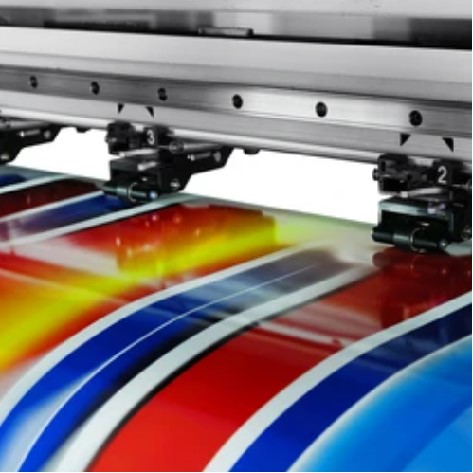
Durable printed PP for reusable products

Polypropylene Sheet Printing

Polypropylene is lightweight, resilient and useful for reusable fabricated products, but its low surface energy makes print preparation critical. ONE PLASTIC matches treated sheet, ink and testing before cutting, creasing or welding the printed material.

MaterialSolid and application-specific PP sheet
Critical controlSurface treatment and ink adhesion
Finished routesCut, crease, weld and assemble

Project logic

Make the process fit the product.

Printing on polypropylene plastic sheet
01

PP printing begins with surface energy

Untreated polypropylene can reject many inks. The sheet treatment, time between treatment and printing, ink series and cure must be controlled as one specification.

02

Test after flexing, not only while flat

Folders, dividers and reusable packaging may flex around score lines. Print approval should include the movement and handling expected in the finished product.

03

Welds and graphics need separation

Heat-welded areas, hinges and high-wear zones should be identified in the artwork layout so printing does not interfere with assembly or durability.

Project specification

Define the deliverable before production.

Available delivery formsPrinted PP sheetsScored and die-cut blanksPrinted dividers and panelsFinished reusable PP products
Print preparation
Treated surface or approved pretreatment as required
Methods
Screen or compatible UV printing after trial
Fabrication
Cutting, scoring, creasing, welding and assembly
Color
Substrate and ink combination approved by physical sample

Production route

One controlled path from brief to delivery.

01

Identify the service environment

Confirm flexing, cleaning, abrasion, temperature and chemical contact.

02

Prepare and test the surface

Approve treatment and ink adhesion on production PP sheet.

03

Print to fabrication datums

Keep graphics aligned with folds, handles, welds and cut features.

04

Convert and inspect

Fabricate the PP product and verify print integrity after flexing or handling.

Applications

Where this route creates value.

01Reusable PP boxes
02Dividers and folders
03Printed industrial panels
04Retail and promotional components

Common questions

Details buyers ask before an RFQ.

Why is polypropylene harder to print?+

PP has low surface energy, so compatible treatment and ink are usually required for dependable adhesion.

Can printed PP be creased or folded?+

Yes, when material thickness, score design and ink placement are planned together.

Can PP products be welded after printing?+

Yes. Keep graphics clear of the weld zone and validate the final operation on a representative sample.