Map product and shelf needs
Confirm product dimensions, presentation face, filling direction, insert, hanging and closure requirements.
Clear packaging with tough fold performance
Custom clear PET, RPET, PETG and GAG plastic folding boxes with printing, die cutting, creasing, tabs, bonding and flat-pack or assembled delivery.
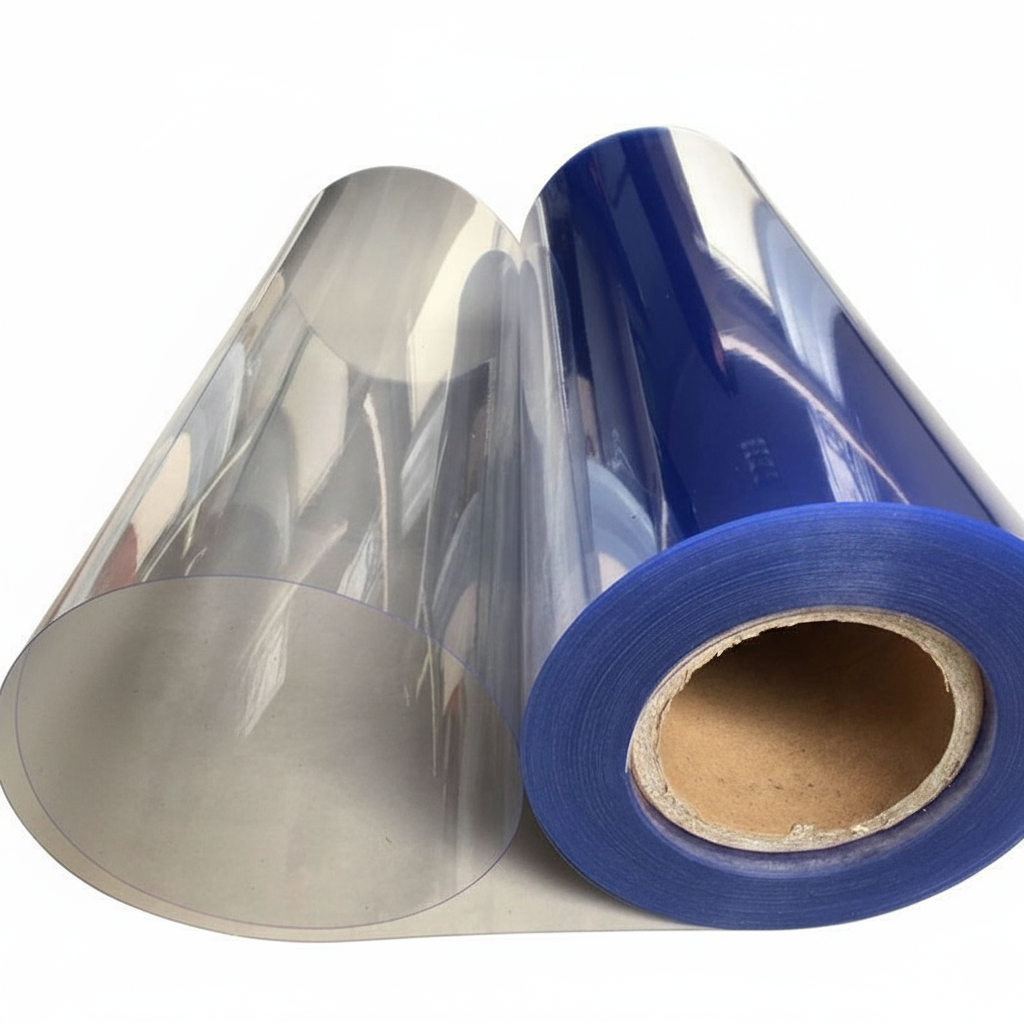
Project specification
Production route
Confirm product dimensions, presentation face, filling direction, insert, hanging and closure requirements.
Compare PET, RPET, PETG and GAG around clarity, stiffness, fold, forming and recycled-content requirements.
Align panel order, creases, tabs, seams, graphics, white ink and transparent windows.
Use the approved material and print orientation with datums shared by later conversion.
Convert the box and review corners, spring-back, closure, seam and product fit.
Supply controlled flat stacks, pre-folded cartons or protected assembled packaging.
Project logic
PET plastic folding boxes give shoppers a clear view of the product while supporting printed branding and efficient flat delivery. ONE PLASTIC supplies PET, RPET, PETG or GAG sheet and coordinates the dieline, printing, white ink, die cutting, creasing, bonding and packing around the finished carton. The wording on this page deliberately includes plastic and packaging to avoid unrelated pet-crate searches.
The short query PET folding box is ambiguous and can refer to a folding container for an animal. This page covers transparent packaging cartons made from PET-family plastic sheet. Buyers are typically packaging companies, brands and retailers sourcing a clear box with custom dimensions, print and closure. The project begins with the packed product, a dieline or a reference carton and the expected quantity—not a pet enclosure specification.
PET-family constructions differ in stiffness, toughness, recycled-content options and conversion behavior. APET is widely used for clear packaging. RPET may support a recycled-content goal but needs a defined construction and appearance standard. PETG can offer tough fabrication and forming behavior. GAG provides a layered option for selected processes. ONE PLASTIC reviews the box geometry, crease, clarity and destination requirement before the material is fixed. Do not approve artwork on one construction and assume identical appearance on another.
Finished internal dimensions, panel sequence, crease direction, tabs, corner relief, hanging features and adhesive zones must be documented. Plastic spring-back and fold appearance differ from paperboard, so an inherited carton drawing needs review. The product sample confirms clearance and loading, while a converted box confirms squareness and closure. Use one revision for the dieline, artwork and purchase order so later changes to a tab or panel cannot be missed.
The packed item becomes part of the visual composition. Reverse printing can place graphics behind the sheet; white ink can make colors opaque or leave planned windows. Overlapping panels and seams may darken or interrupt graphics. Approve the print over the actual product or a representative mockup rather than a white screen background. Critical text should avoid crease strain, glue areas and uncertain trim edges. The print file should share datums with the dieline used for conversion.
If RPET is requested, state the required recycled-content construction and supporting documentation rather than using a general eco-friendly description. Recycled-content sheet may have a different tint or visual standard from virgin material, which matters in transparent packaging. ONE PLASTIC can review available RPET options, but the buyer remains responsible for destination claims, labels and regulatory requirements. The approved physical material and print stack should be recorded with the order.
A flat print proof does not validate crease whitening, spring-back, tab engagement, seam position or product loading. Review a converted box with the intended insert and product. If the buyer uses automatic or fixture-assisted filling, provide its constraints and the direction in which the box must open. Mark changes on the dieline after sampling. This turns the approved box into a production standard rather than a general example.
Flat stacks reduce freight volume and suit buyers who erect boxes in their own line. Pre-folding can help establish crease memory. Bonded sleeves or assembled cartons reduce buyer labor but use more shipping space. Clear surfaces and print layers need clean interleaving or individual protection so panels do not rub. Bundle size, part orientation, artwork revision and count labels should match the filling operation at destination.
Send the product or model, box dimensions, preferred PET-family material, recycled-content requirement, thickness if known, quantity, dieline, artwork, viewing side, white ink, insert and hanging needs, closure, sample requirement, delivery form, packing and destination. If material and structure are open, describe the product weight, shelf presentation and filling method so ONE PLASTIC can review a practical starting construction.
Applications
Common questions
No. It covers folding packaging cartons made from PET, RPET, PETG or GAG plastic sheet.
Yes. Provide the packed product, inside clearance, finished dimensions, quantity and closure so a plastic-specific dieline can be reviewed.
RPET options can be reviewed with the required recycled-content construction, appearance and destination documentation. Approve the actual material and printed result.
They differ in stiffness, toughness, fold and forming behavior. The suitable construction follows box geometry, product load, clarity and conversion rather than the name alone.
Yes, where the material and artwork are suitable. Define mirrored orientation, white ink, transparent windows and the background visible through the package.
Yes. Include their dimensions, product interface and loading sequence in the dieline and sample review.
Yes. Flat blanks, pre-folded cartons, bonded sleeves and assembled delivery can be reviewed around freight and the buyer's filling line.
Send product dimensions, box size, PET construction, quantity, dieline, artwork, print plan, closure, insert, sample, delivery and destination requirements.