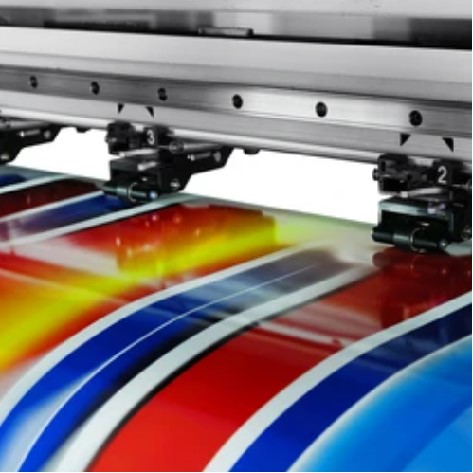
Print-ready PVC, converted in one workflow

Custom PVC Sheet Printing Services

PVC sheet printing is more than placing graphics on a flat board. The PVC construction, surface, viewing side, artwork, ink, curing and later cutting or folding steps all influence the finished result. ONE PLASTIC supplies PVC sheet and publicly offers UV and silk-screen printing, allowing buyers to coordinate the substrate, print proof, registered conversion and final packing through one project team.

Printing graphics on PVC plastic sheets
PVC formatsRigid, clear and foam sheet
Published print routesUV and silk-screen printing
After printingCut, crease, bend and assemble

Project logic

Make the process fit the product.

01

Start with the finished PVC product

The same logo can require a different production plan on a flat sign, a transparent package and a folded display. Begin by identifying the delivered product, the side from which it will be viewed, the expected service environment and the operations that follow printing. A full sheet may only need graphic position and protective packing. A folding box needs a dieline, crease direction, glue or lock areas and an agreed viewing order. A machine panel may include holes, cutouts and identification marks that must align with equipment. ONE PLASTIC can quote printed stock or combine printing with conversion, but the final format should be clear before artwork is prepared.

  • Printed full sheets for the buyer's later conversion
  • Cut panels with holes, shapes or identification graphics
  • Printed and creased blanks for transparent packaging
  • Finished signs, displays, holders or other fabricated products
02

Choose clear, white, rigid or foam PVC intentionally

PVC is a material family rather than one universal printing surface. Clear rigid PVC is useful when the product or graphics will be viewed through the sheet. White rigid PVC gives printed colors an opaque background and can suit cards, panels and packaging components. PVC foam board provides a lightweight, printable panel for signs, retail displays and fabricated structures, but its edge and stiffness differ from solid sheet. Surface finish, color, thickness, protective film and final use all influence preparation. A print result approved on one construction should not automatically be treated as the standard for another. The quotation should identify the exact production material and whether the buyer supplies a color, opacity or surface reference.

03

Match UV or silk-screen printing to the artwork

ONE PLASTIC's existing fabrication page publicly lists UV printing and silk printing on plastic sheets. UV printing is useful for variable full-color graphics and detailed images, while silk-screen printing can suit repeat graphics, solid areas and selected spot colors. The choice depends on artwork, quantity, opacity, substrate, viewing distance, finish and later fabrication. This page does not promise that every ink system works on every PVC grade. Instead, the production route is confirmed using the selected sheet and a representative print requirement. If color, chemical exposure, abrasion or outdoor use is critical, include that condition in the inquiry so a suitable trial and approval standard can be discussed.

  • Supply vector artwork for logos, text and cut registration
  • Provide suitable image resolution for photographic graphics
  • Name spot-color references and acceptable visual variation
  • State any durability or environmental condition before proofing
04

Plan white ink and reverse printing on clear PVC

Clear PVC introduces decisions that do not exist on an opaque white panel. Graphics may be printed on the front surface, or reverse printed on the second surface and viewed through the plastic. Reverse printing can place the image behind the sheet for handling protection, but the artwork must be mirrored and the layer order changed. White ink can create opacity behind color, isolate selected areas or leave intentional transparent windows. Colors also look different when viewed over the packaged product instead of a white proofing background. The approval should therefore show viewing side, white-ink coverage, transparent zones and the intended background. A physical representative sample is more useful than relying only on a screen image.

05

Build artwork around cut lines, folds and product datums

A production artwork package should separate visible graphics from manufacturing information. Include the finished outline, cut paths, holes, crease lines, glue or weld zones, bend locations and safe areas for text. Fonts should be outlined and linked images supplied at usable resolution. Bleed may be needed where color reaches a cut edge, while fine text or a registration mark may need additional distance from trimming. For multi-panel boxes and displays, label the viewing order so an apparently correct flat proof does not become upside down after folding. ONE PLASTIC can reference the print to the same dieline used for later conversion, reducing the handoff between a separate printer and fabricator.

  • Use one revision name across drawing, dieline and artwork
  • Show finished dimensions as well as the flat blank
  • Separate white ink, color, cut and crease layers
  • Mark no-print areas for bonding, hardware or heat-affected operations
06

Approve adhesion, cure and color on production material

Print adhesion depends on the relationship between the sheet surface, ink, preparation and curing conditions. Because PVC constructions and suppliers can differ, the approval should use the actual material planned for the order whenever appearance or durability matters. The review may consider initial adhesion, opacity, color, surface finish and the effect of later cutting, creasing or bending. This is not a claim that one test covers every application; the buyer should identify the handling and exposure the product will experience. Once a representative sample is approved, the project brief should record the substrate, print orientation, color target and any agreed visual standard so repeat orders are not judged from memory.

07

Coordinate printing with die cutting and creasing

Printed PVC often becomes a product after the press. Folding boxes require die cutting, crease control, tabs and sometimes an adhesive seam. Display panels may need routed shapes, slots or holes. Signs can include rounded corners, hanging features or supporting components. Heat bending and folding introduce movement that can place stress on ink or shift the visible position of graphics. For this reason, the manufacturing sequence is reviewed before printing. Critical artwork should remain clear of high-strain folds, glue areas and cut tolerances, and the sample should represent the intended conversion rather than only a flat sheet. Buyers can request printed full sheets, converted blanks or a finished product according to their own production setup.

08

Inspect the print as a finished component

A printed sheet can look acceptable while flat but fail after trimming or assembly. Inspection should therefore reflect the delivery form. For a panel, check graphic position against holes and outside edges. For clear packaging, review viewing direction, white ink, crease appearance and closure fit. For a display, confirm that connected panels place graphics in the intended sequence. Visible contamination, scratching and handling marks matter more on glossy clear surfaces. The project drawing or approved sample should identify the important faces and the normal viewing distance. ONE PLASTIC can use these references to align print and fabrication checks without inventing a universal cosmetic rule for every PVC product.

09

Protect printed faces during packing and export

PVC sheets and converted parts should not rub printed surfaces together without an agreed protection method. Depending on the construction, packing can use retained protective film, clean interleaving, individual bags, flat stacks, partitions or assembled-product cushioning. Flat delivery may reduce freight volume for folding boxes and certain displays, while finished assemblies can reduce labor at the buyer's facility. Part labels should stay clear of the visible graphic area and use a revision that matches the purchase order. Tell the project team how cartons will be handled and whether the buyer needs sheets, blanks or components packed in production sequence.

10

Send a complete PVC printing RFQ

For a useful quotation, provide the finished product or sheet dimensions, preferred PVC construction, thickness if known, quantity, artwork and dieline, viewing side, required colors or white ink, later cutting or folding operations, packing form and delivery destination. If ONE PLASTIC should recommend the substrate, describe stiffness, transparency, service environment and how the product will be used. Separate must-have requirements from preferences, and identify whether a printed proof or converted sample is required before production. This information lets the team quote the material, printing and fabrication as one defined route instead of adding assumptions that later change cost or appearance.

  • PVC type, color, finish and thickness
  • Finished size, flat size and quantity by design
  • Vector artwork, images, dieline and color reference
  • Viewing side, white ink and transparent zones
  • Cutting, creasing, folding, assembly and packing requirements

Project specification

Define the deliverable before production.

Available delivery formsPrinted full PVC sheetsCustom-cut graphic panelsDie-cut and creased packaging blanksPrinted display componentsFinished printed PVC products
Materials
Clear rigid PVC, white rigid PVC and PVC foam board
Artwork
Outlined vector PDF, AI or EPS preferred
Viewing options
Face print or second-surface reverse print where the project permits
Color control
Named color reference, white-ink plan and approved representative sample
Finishing
Cutting, die cutting, creasing, folding, bending and packing
Delivery
Printed sheet, converted blank, finished panel or assembled product

Production route

One controlled path from brief to delivery.

01

Define the finished product

Confirm whether the order is a printed full sheet, sign, control panel, folding-box blank, display component or assembled item.

02

Confirm the PVC substrate

Match clear, white, rigid or foam construction, surface and protective-film handling to the print method and application.

03

Prepare artwork and dielines

Separate graphics, white ink, cut paths, holes, creases and no-print areas in a controlled artwork package.

04

Approve color and adhesion

Use representative production material to check the chosen ink, viewing side, opacity, color reference and later conversion risk.

05

Print and convert

Register the graphics to product datums, then cut, die cut, crease, fold, bend or assemble as specified.

06

Inspect and protect

Review print position, finish and converted function, then pack printed faces to reduce rubbing, marking and distortion.

Applications

Where this route creates value.

01Clear printed folding boxes
02Retail display panels
03PVC foam board signs
04Point-of-purchase display components
05Control and identification panels
06Custom-cut promotional graphics
07Printed packaging sleeves
08Finished branded PVC products

Common questions

Details buyers ask before an RFQ.

Can you print directly on PVC sheets?+

Yes. ONE PLASTIC's published fabrication capability includes UV and silk printing on plastic sheet. The PVC construction, surface, artwork and finished use are reviewed before the printing route is confirmed.

Which PVC sheets can be printed?+

Projects can be reviewed in clear rigid PVC, white rigid PVC and PVC foam board. These materials do not behave identically, so thickness, finish, color, protective film and final conversion should be included in the specification.

Can clear PVC be reverse printed?+

Yes, where the selected material and artwork are suitable. Reverse printing places the image on the second surface for viewing through the sheet. Artwork orientation, color order, white ink and transparent areas must be shown in the proof.

Why is white ink used on clear PVC?+

White ink can create an opaque base behind colors, make selected graphics visible over the packaged product or preserve transparent windows elsewhere. Coverage and density should be approved on a representative clear sample.

Can printed PVC be folded into a box?+

Yes. Printing, die cutting, creasing, folding and an adhesive or locking construction can be planned as one route using a suitable PVC sheet. A converted sample is useful for confirming fold appearance and closure fit.

Can you deliver only printed sheets or finished products as well?+

Both can be reviewed. Delivery forms include printed full sheets, custom-cut panels, die-cut and creased blanks, display components and finished printed PVC products.

How is print adhesion approved?+

A representative production-material sample can be used to review the chosen ink, preparation, curing and later fabrication. The appropriate approval depends on the product's handling and service environment rather than one universal test.

What artwork files should I send?+

Outlined vector PDF, AI or EPS is preferred for logos, text, dielines and spot colors. Supply linked high-resolution images separately and identify cut paths, crease lines, white ink, viewing side and no-print areas.

Can graphics be aligned with holes, cutouts and folds?+

Yes. Place manufacturing datums in the drawing and artwork so printing can reference the same cut, hole and crease geometry used during conversion. Allow practical clearance around trimmed and heat-affected areas.

What information is needed for a PVC printing quote?+

Send PVC type or application requirements, thickness, sheet and finished dimensions, quantity by artwork, print files, viewing side, color and white-ink requirements, conversion steps, packing form and delivery destination.