Collect the retail package
Measure the pack, hang hole, weight, center of gravity and required facing orientation using a production sample when possible.
More products in the customer’s line of sight
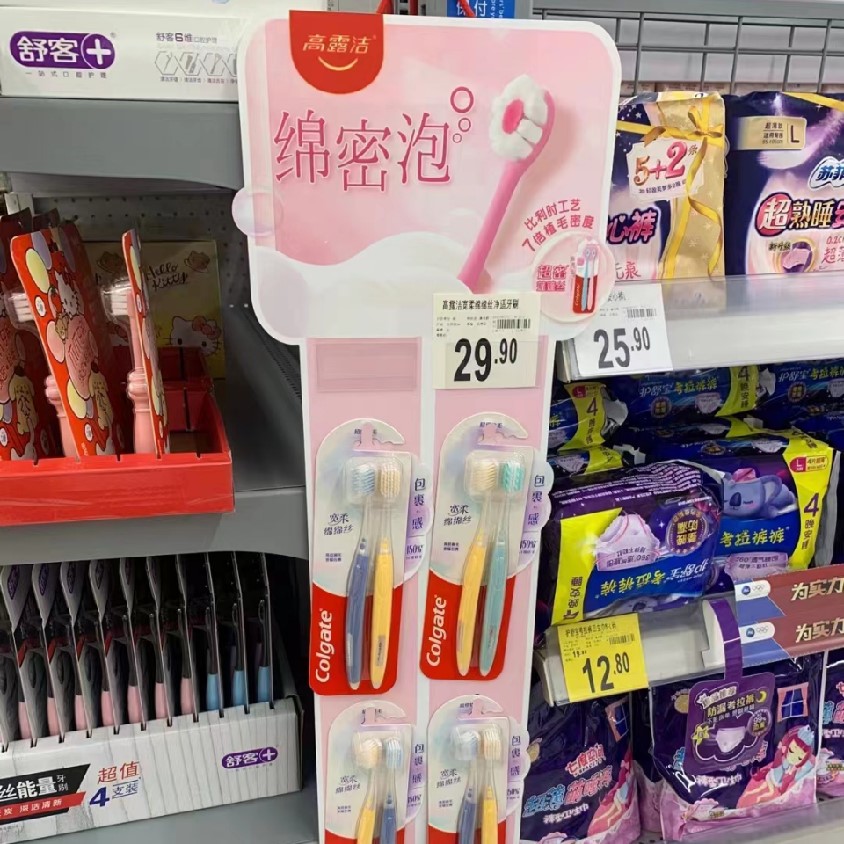
Custom plastic merchandising strips for hanging packaged products in supermarkets and retail stores, with buyer-defined hooks, spacing, header, fixture interface and branding.
Project specification
Production route
Measure the pack, hang hole, weight, center of gravity and required facing orientation using a production sample when possible.
Define aisle location, available length, rail or hook interface, shopper reach and nearby products.
Choose the number of product positions, pitch, retention shape and clearance needed for loading and removal.
Confirm header shape, printed message, color, viewing side and any barcode or store-allocation label.
Fill the sample with the actual packages and review deflection, retention, access, fixture fit and normal handling.
Inspect strip geometry and print, then pack flat or bundled by store, campaign or SKU allocation.
Project logic
Plastic merchandising strips place lightweight packaged goods on unused fixture space or beside related products. This page concerns retail display strips with repeated hooks or apertures—not doorway curtain strips and not household hanging hooks. ONE PLASTIC customizes strip length, hook count, spacing, header, color, printing and fixture connection around the actual package and store plan.
Searches for plastic hanging strips often lead to flexible door curtains, industrial strip doors or household hooks. The product on this page is different: a narrow retail strip with repeated positions that carries packaged merchandise from a fixture, rail or hook. State the store type, intended aisle position and package category at the start of the RFQ. ONE PLASTIC can then quote the correct display component and avoid substituting an unrelated strip material whose geometry was never designed for customer-facing product packs.
Provide a filled production package where possible. Measure total weight, width, height, thickness, hang-hole type and the position of the product's center of gravity. Euro slots, round holes and sealed bag headers can sit differently on the same hook. Packages may also overlap the strip or interfere with the item above. Photograph the required front-facing presentation and show how staff load it. The correct hook shape and pitch come from this physical relationship, not from a generic number of positions.
ONE PLASTIC's own product references common lengths from 12 to 48 inches and arrangements with 6 to 12 hooks, but those ranges are a starting point rather than a promised capacity. Available store height, pack size and reach determine how many facings are useful. Closely spaced hooks can increase quantity but make removal difficult or hide graphics. Widely spaced positions can improve visibility but waste fixture space. Approve the loaded sample with the intended upper and lower clearance before locking the strip drawing.
A strip can hang from a peg, shelf edge, rail, clip or other buyer-defined fixture. Supply the mating dimension or a physical reference and show the installed orientation. The top connection must retain the filled strip without twisting into adjacent products or blocking the shopper's path. If a separate metal hook, adhesive component or clip is required, identify who supplies it and include it in the sample. Final fixture suitability should be confirmed in the actual store system before mass deployment.
A header can carry a logo, promotional message, category cue or price instruction while the body remains clear or colored. Define header size, shape, viewing side, white ink and print colors. Keep graphics clear of the fixture hole and any fold or high-stress area. If stores add a separate label, reserve a flat zone and specify its dimensions. ONE PLASTIC can coordinate printing and cutting, but the buyer should approve every campaign artwork revision and any required retail barcode before production.
A universal load rating would be misleading because package weight, hook geometry, spacing, strip material, fixture, temperature and handling all affect performance. Fill a representative sample with the actual number of products and review deflection, hook retention, top-interface stability and customer removal. Include a margin for realistic replenishment and incidental handling according to the buyer's test plan. Record the approved product SKU and sample revision; a later heavier pack should trigger review instead of being assumed equivalent.
Strips can ship flat, nested or bundled with instructions, depending on geometry and print protection. A multi-store campaign may need store codes, fixture quantities, product-SKU references and header variants on each bundle. Avoid folds that permanently deform hooks or printed headers. Cartons should prevent strips from tangling and let store teams remove one kit without mixing allocations. If products will be preloaded elsewhere, state the loading and onward-shipping method so pack design and protection can be reviewed.
Send the filled product sample or dimensions, total package weight, hang-hole drawing, required facing, store position, fixture interface, desired strip length, number of positions, pitch, material color, header design, artwork, quantity by campaign or store, load-test plan, packing and destination. State whether any top hook, clip or label is included. This information lets ONE PLASTIC treat the strip as a store-ready display component rather than price an isolated plastic shape.
Applications
Common questions
No. This page covers narrow retail merchandising strips with repeated product positions, not industrial PVC strip curtains.
Six to twelve positions are common in ONE PLASTIC's reference range, but the final count follows package size, store height and access.
Common references run from 12 to 48 inches, with custom dimensions reviewed around the fixture and package layout.
There is no universal rating. Capacity must be validated using the actual packages, hook geometry, top fixture and agreed sample load test.
Yes. Logo and campaign graphics can be planned with the header shape, viewing side, colors, white ink and fixture clearance.
Provide the rail, peg, hook or clip dimensions or a physical sample, then confirm fit using a representative loaded prototype.
Yes. Store codes, campaign variants, quantities and kit contents can be used for allocation and carton labeling.
Send the package, weight, hang hole, fixture, strip layout, header artwork, quantity, load-test method, packing allocation and destination.