Define the finished blank
Confirm that the requested deliverable is a flat transparent PET component with a custom outline. State its downstream use without assuming that an application category automatically defines material or performance.
Drawing-defined flat PET components
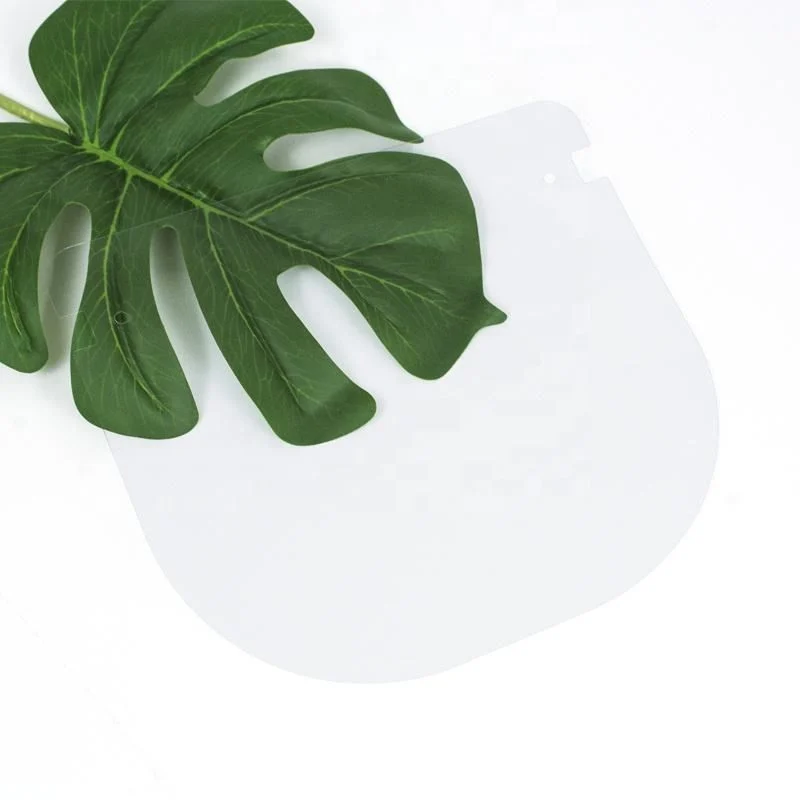
Custom anti-fog PET die-cut blanks made as finished flat parts to an approved customer drawing, with surface, film, inspection and packing confirmed per project.
Project specification
Production route
Confirm that the requested deliverable is a flat transparent PET component with a custom outline. State its downstream use without assuming that an application category automatically defines material or performance.
Supply a dimensioned drawing with revision, units, profile, radii and any holes, slots or notches. Mark the features that affect fit or function instead of applying an unexplained blanket tolerance.
Identify which side or sides require anti-fog performance, which side is viewed, and whether protective film is required. Historical two-sided configurations are not treated as the default for a new project.
Define the fog test, conditioning, duration, viewing requirement and acceptance record expected by the buyer. The project team confirms what evidence can be supplied before an order is accepted.
Decide during quotation whether a sample, trial blank or production-intent approval is needed. The approval should identify the drawing revision, PET construction, surface arrangement and visual reference.
Produce the agreed flat profile and inspect it against the approved project requirements. Checks are selected around critical dimensions, outline, surface condition and other buyer-defined acceptance points.
Confirm part orientation, protective layers, pack quantity, labels and export packing around the approved blank. Quantity, packing method and delivery schedule remain specific to the quotation.
Project logic
Custom anti-fog PET die-cut blanks are finished flat components converted to a customer-defined profile rather than supplied as a general roll or rectangular sheet. ONE PLASTIC has documented experience with transparent PET blanks made to customer drawings, including completed projects that specified anti-fog treatment and protective film on both sides, as well as repeat export fulfillment. Those historical configurations demonstrate relevant project experience but do not define a standard current thickness, coating construction, fog-performance level, quantity, tolerance or schedule. Every new RFQ is reviewed against its own drawing, surface requirement, inspection method, packing plan and destination before any production commitment is made.
This page covers transparent PET converted into a finished flat outline for a buyer-defined component. The deliverable is more specific than PET sheet supply: its profile follows an approved drawing and it is supplied as a discrete blank ready for the buyer's next operation or assembly. It is not a page for roll stock, generic rectangular cut sheets, anti-fog liquid or coating chemicals, thermoformed trays, three-dimensional shields, or creased folding cartons. Keeping this boundary clear prevents a buyer seeking a finished profile from receiving a raw-material quotation, and it also prevents the page from competing with ONE PLASTIC's PET material and general cut-to-size pages. If a project combines raw sheet and finished blanks, list them as separate line items so the form, quantity and acceptance basis remain unambiguous.
A custom profile should be quoted from a controlled drawing rather than from a photograph or product name alone. Provide the finished outline, overall dimensions, units and drawing revision. If the part includes radii, slots, holes, notches or other local features, identify them and mark which dimensions affect installation or function. A sample or photograph can help explain the application, but it should not silently replace the production drawing. Avoid asking for one tight tolerance on every dimension when only a few interfaces are critical. The quotation and approval record should state which revision is being used and how critical features will be evaluated. If a design changes, issue a new revision so repeat orders do not rely on dimensions remembered from email or chat.
The term anti-fog does not by itself define a measurable result. A useful RFQ explains which surface or surfaces require the property, the expected condensation environment, the buyer's test method, conditioning, test duration and pass-or-fail observation. Historical ONE PLASTIC orders in this product family included transparent PET specified with anti-fog treatment on both sides. That record supports relevant project experience, but it does not mean every new blank automatically uses the same construction or provides the same result under every temperature, humidity or cleaning condition. A new quotation must confirm the requested surface arrangement and the evidence available for that project. No performance value, duration or environmental range should be added to the page unless it is supported by currently approved product data and a named test method.
Transparent PET is the verified material family for this product, but the exact grade, thickness, clarity expectation and surface construction are project decisions. The buyer should state which face is viewed, whether both faces are cosmetic, and whether the blank will undergo later printing, assembly or another conversion step. Protective film is also a separate specification rather than an automatic feature. Completed historical projects included film on both sides, yet a future order must still confirm the required side or sides, removal sequence and acceptable condition after removal. Treat the anti-fog requirement and the temporary protective layer as two different controls. The project approval should make their relationship clear so the film does not become an assumed substitute for the required finished surface.
Not every enquiry requires the same approval route. During quotation, the buyer and project team should decide whether a drawing review is sufficient or whether a physical sample, trial blank or production-intent reference is needed. When a sample is used, identify its drawing revision, material construction, treated side or sides, protective-film arrangement and any visual acceptance point. Review the component under conditions that are representative of the buyer's intended evaluation rather than relying only on a clean desk photograph. Approval of one sample should not be interpreted as approval of an unspecified thickness, different surface construction or revised geometry. Any later change that affects fit, appearance or anti-fog assessment should be documented and reviewed before the next production batch.
Inspection should follow the requirements that make the blank acceptable for its intended next step. These may include the finished outline, selected critical dimensions, local features, visible surface condition, protective-film coverage and the buyer-defined anti-fog check. The exact inspection method and record are not published as one universal standard because every geometry and acceptance plan is different. Buyers should identify the interfaces that matter and describe how a surface result will be judged. ONE PLASTIC can then confirm the applicable project controls during quotation. This page does not publish a blanket tolerance, defect limit or performance number, and it should not imply that a general material description replaces an approved drawing or agreed acceptance record.
Transparent flat components can be affected by rubbing, trapped particles, incorrect orientation or pressure during packing, so the RFQ should state the required pack quantity, part orientation, protective layers, carton labels and destination. ONE PLASTIC has documented repeat export fulfillment for anti-fog PET projects, providing evidence that this product family has moved beyond a one-time enquiry. That history is not a promise of a fixed current commercial quantity, schedule, packing method or freight route. Each new or repeat project should remain tied to an approved drawing revision and confirmed packing instruction. When a repeat order changes quantity, destination, surface construction or packaging, those changes should be reviewed rather than copied from an earlier commercial document without confirmation.
Send the finished drawing, required quantity, destination and intended delivery window together with the PET and surface requirements. State which side is the viewing face, whether anti-fog is required on one or both sides, the evaluation method, and whether protective film is expected on one or both sides. Add any sample requirement, critical dimensions, visual criteria, downstream operation and packing instruction. If a requirement such as thickness, tolerance, supporting documentation, performance evidence, order quantity or requested schedule has not been confirmed, list it as a question for project review rather than presenting it as an available standard. The quotation should be the source of the final commercial and technical commitment for that specific project.
Applications
Common questions
It covers finished flat transparent PET blanks made to a customer-defined profile and approved drawing, with anti-fog and surface-protection requirements confirmed for the individual project.
No. This page is for discrete custom-profile blanks. Raw rolls, full sheets and ordinary rectangular cut sheets belong to the PET material or cut-to-size quotation route.
Historical completed orders included two-sided anti-fog requirements, but that construction is not a default public promise. State the required side or sides and the acceptance method in the RFQ.
No standard arrangement is claimed. Historical orders included protective film on both sides, while each new project must confirm the required coverage, removal method and acceptable surface condition.
The intended route is a flat custom profile controlled by an approved customer drawing. Send the revision, units, dimensions and critical features for feasibility and quotation review.
The buyer should define the test conditions, conditioning, duration and pass criteria. ONE PLASTIC then confirms the available project evidence before any requirement becomes part of the order.
No current standard range or universal tolerance is published on this page. Requested thickness, geometry and critical dimensions are reviewed against the project drawing before quotation.
Commercial quantity and schedule are not presented as fixed public values. They depend on the approved specification, requested quantity, sample or approval route, packing and destination and are stated in the project quotation.
No such suitability is stated on this page. Any regulated or safety-related requirement must be raised and supported for the specific project before it can be represented in an order or public claim.
Send the drawing, quantity, PET requirement, treated side or sides, anti-fog test criteria, protective-film arrangement, critical dimensions, packing, destination and any requested approval record.
Reference the approved drawing revision and confirmed surface and packing specification. Any change to material, geometry, treatment, quantity or destination should be reviewed before production.